
Last updated September 10, 2026
Full 25-point door and opener safety check with every visit - springs, cables, rollers, tracks, and your LiftMaster or Chamberlain opener included
You get a price before we start. It does not change when the truck arrives.
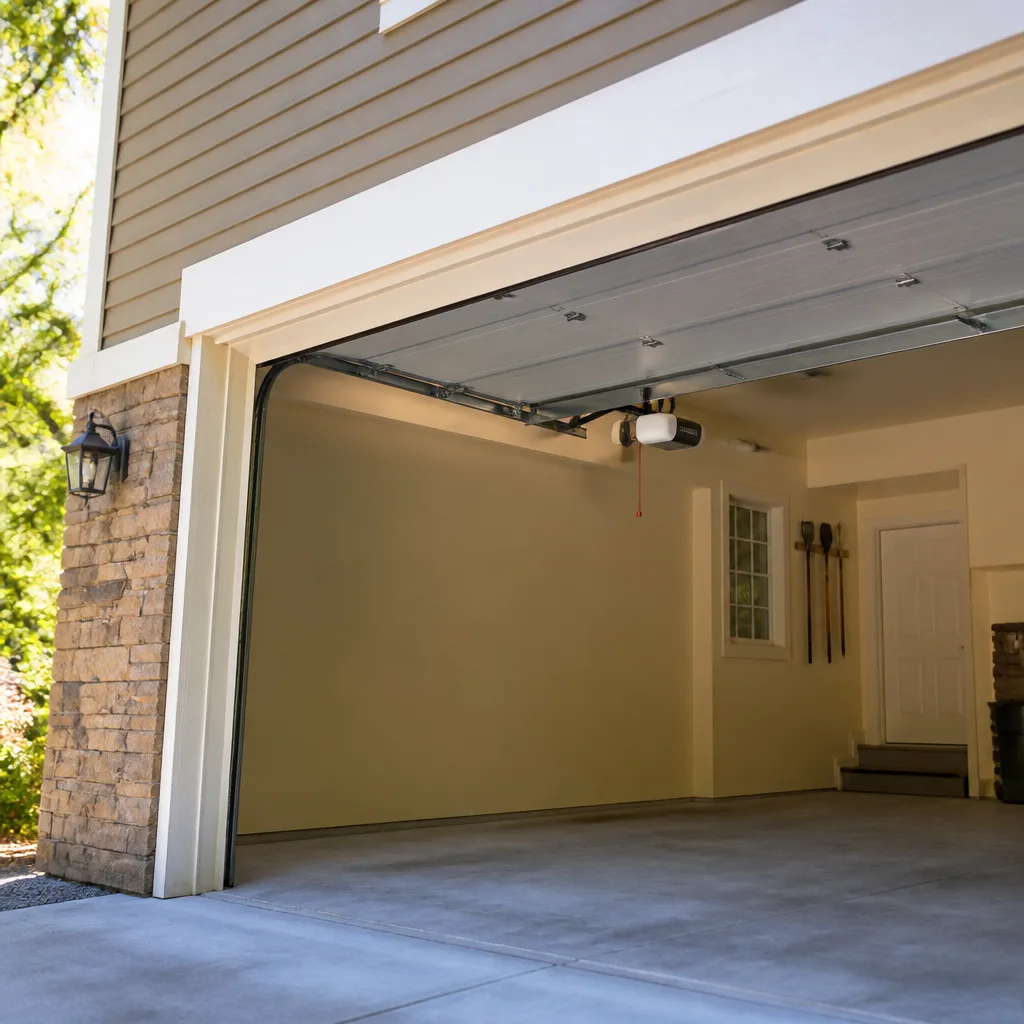
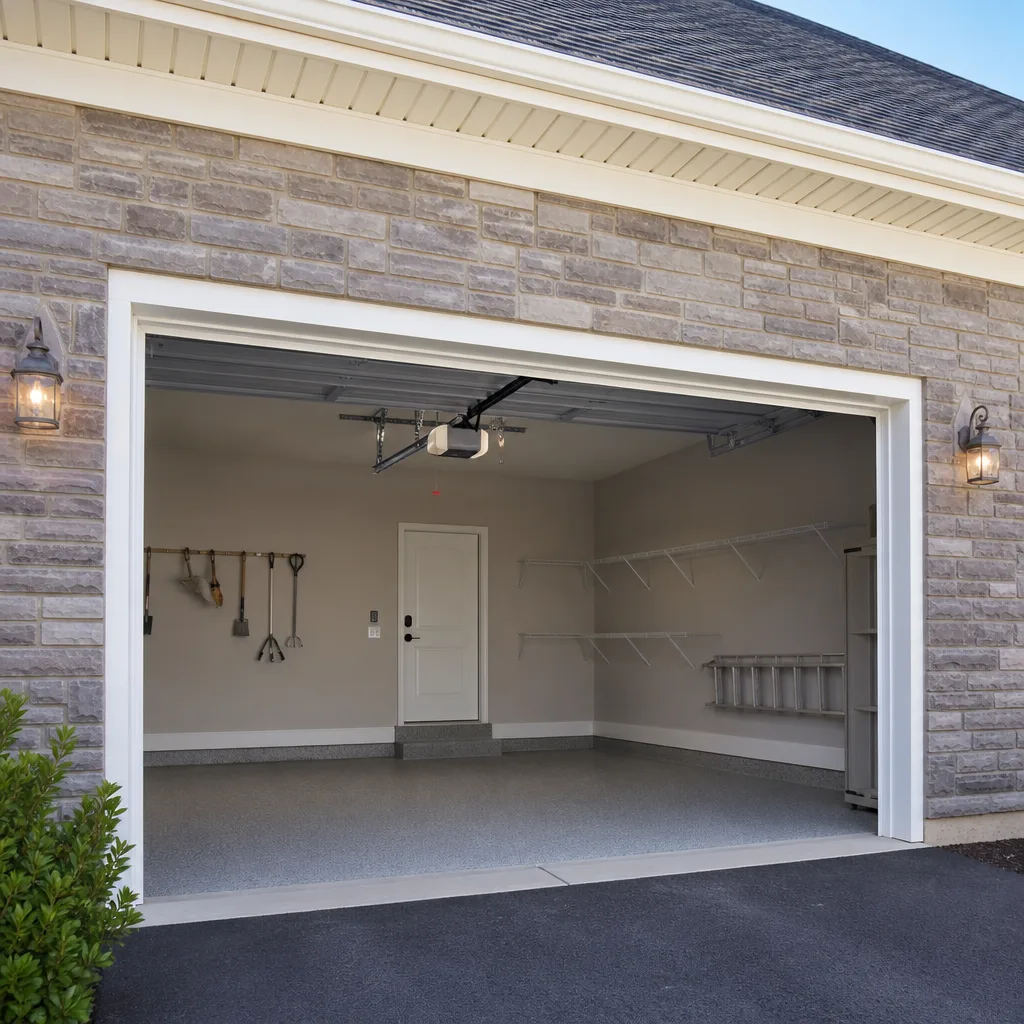
 Before
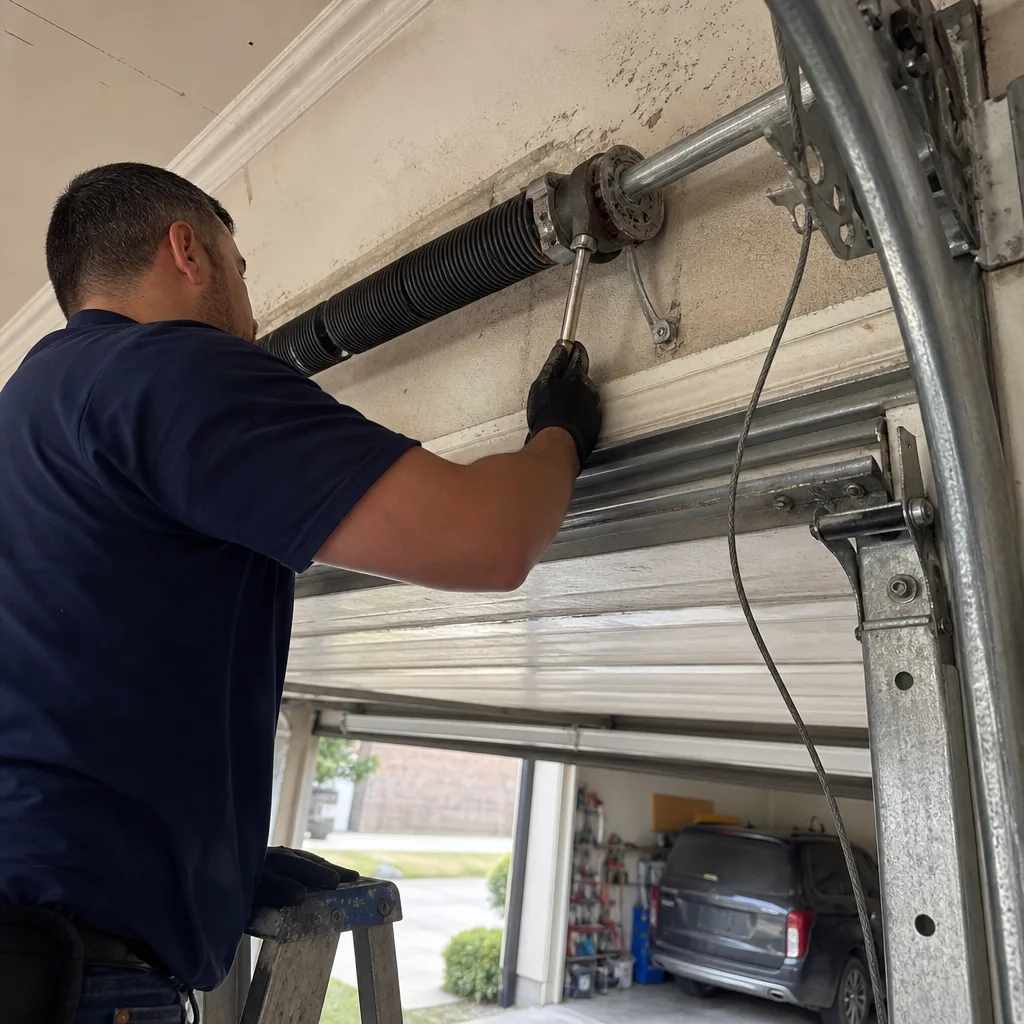
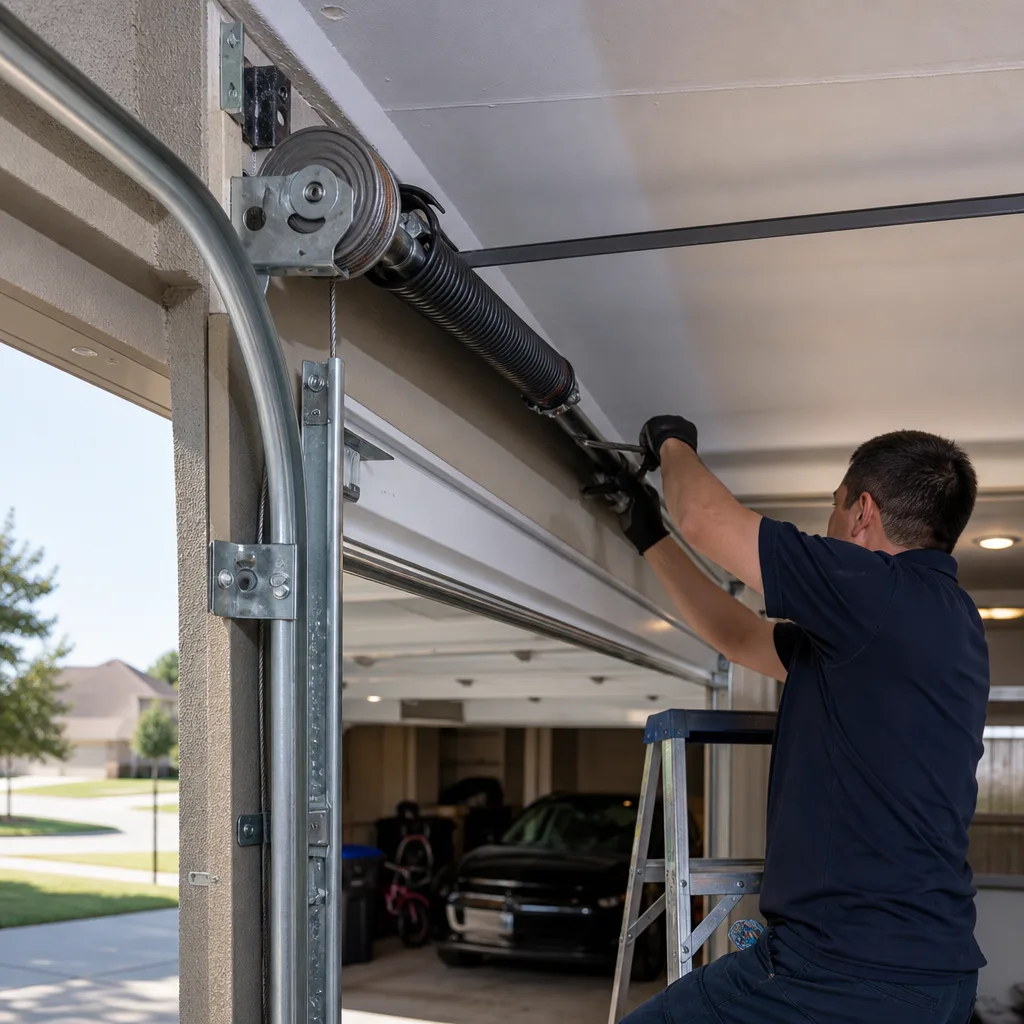 After
After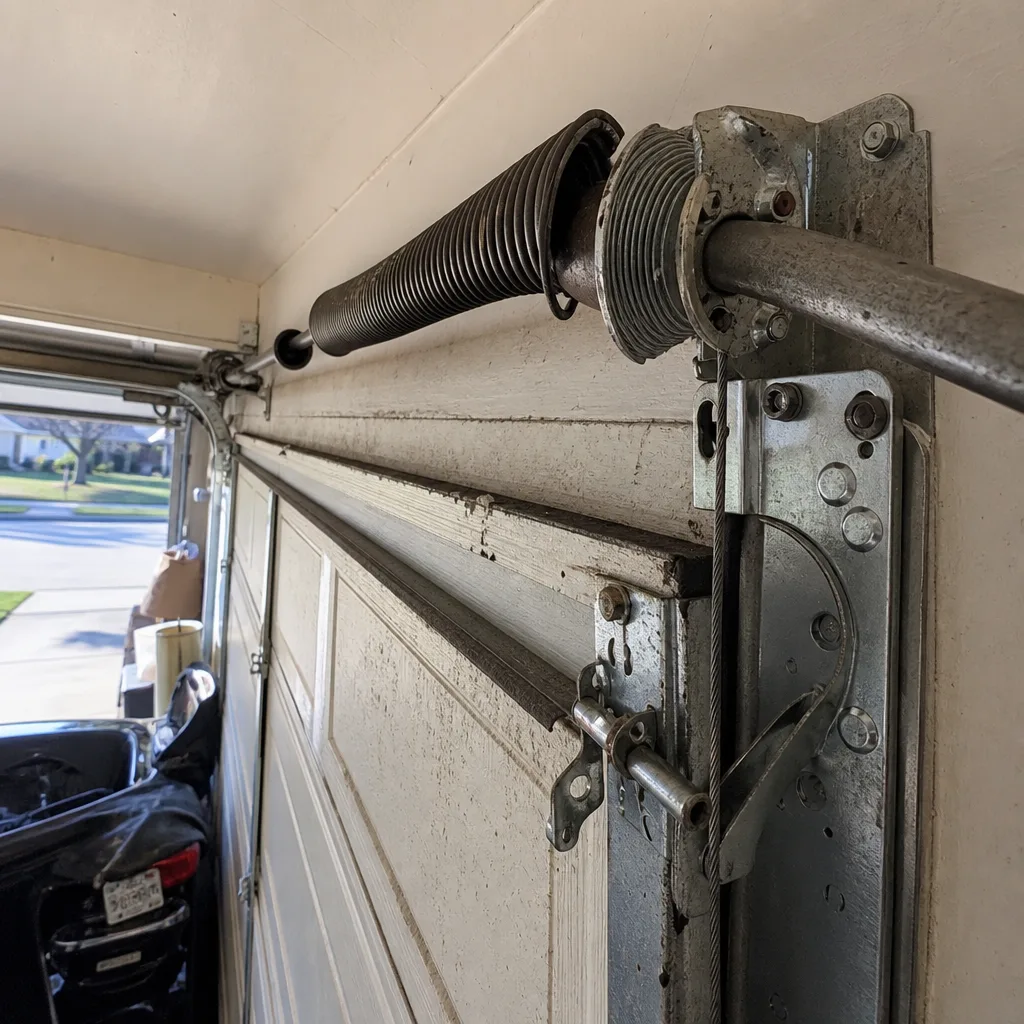 Before
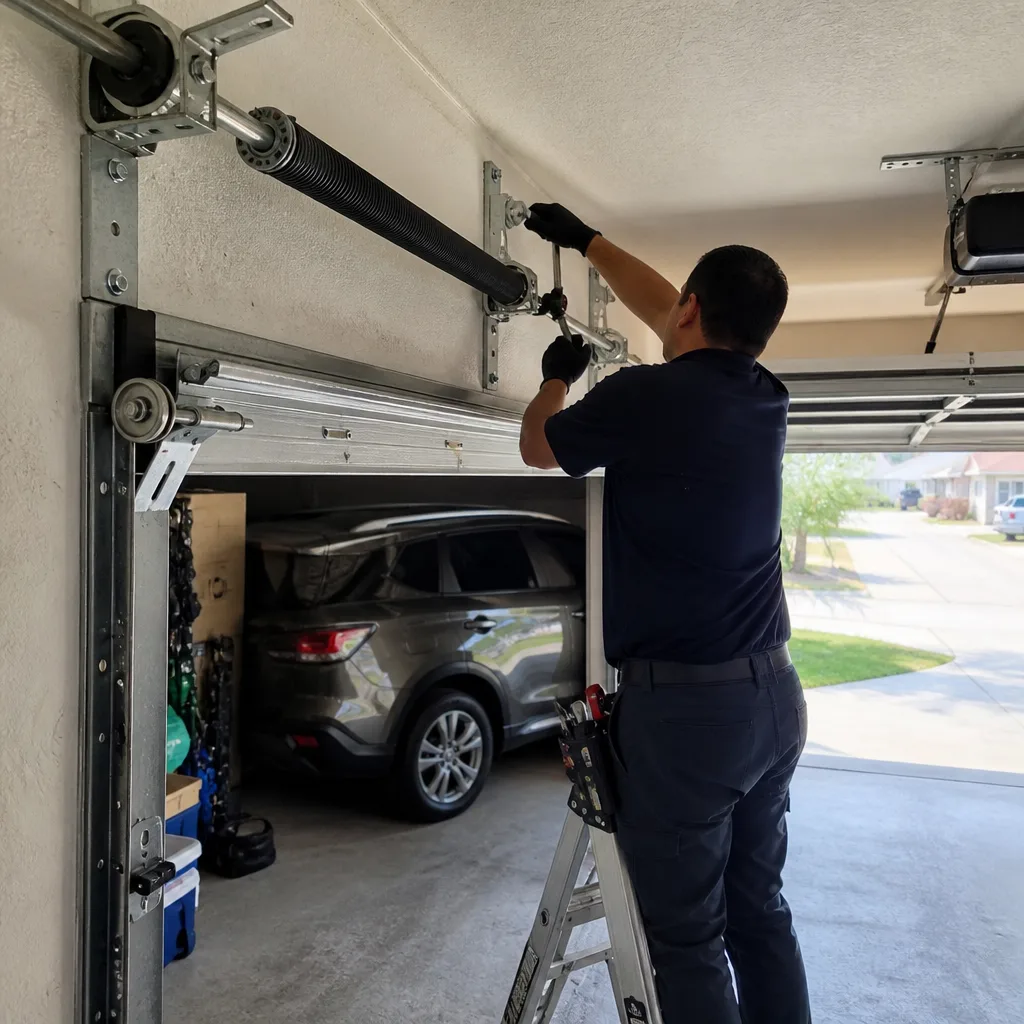 After
After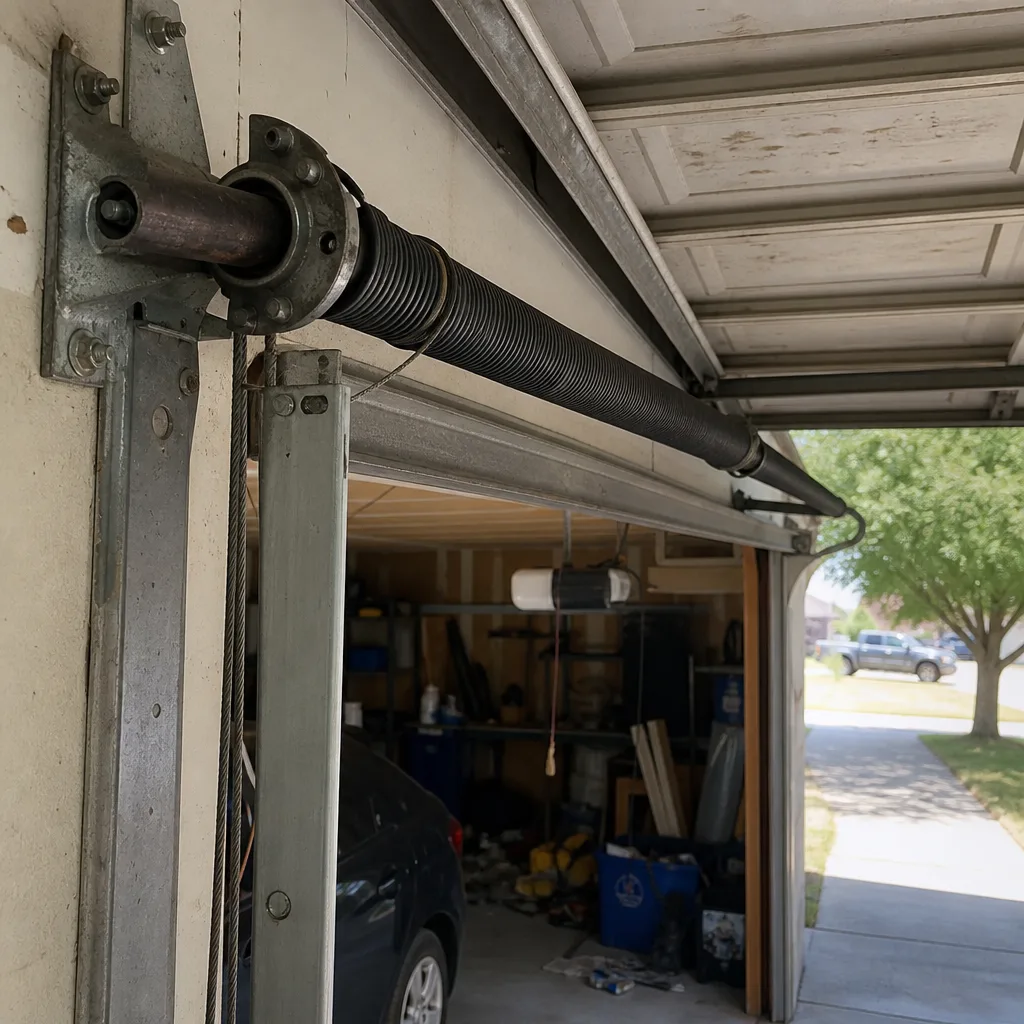 Before
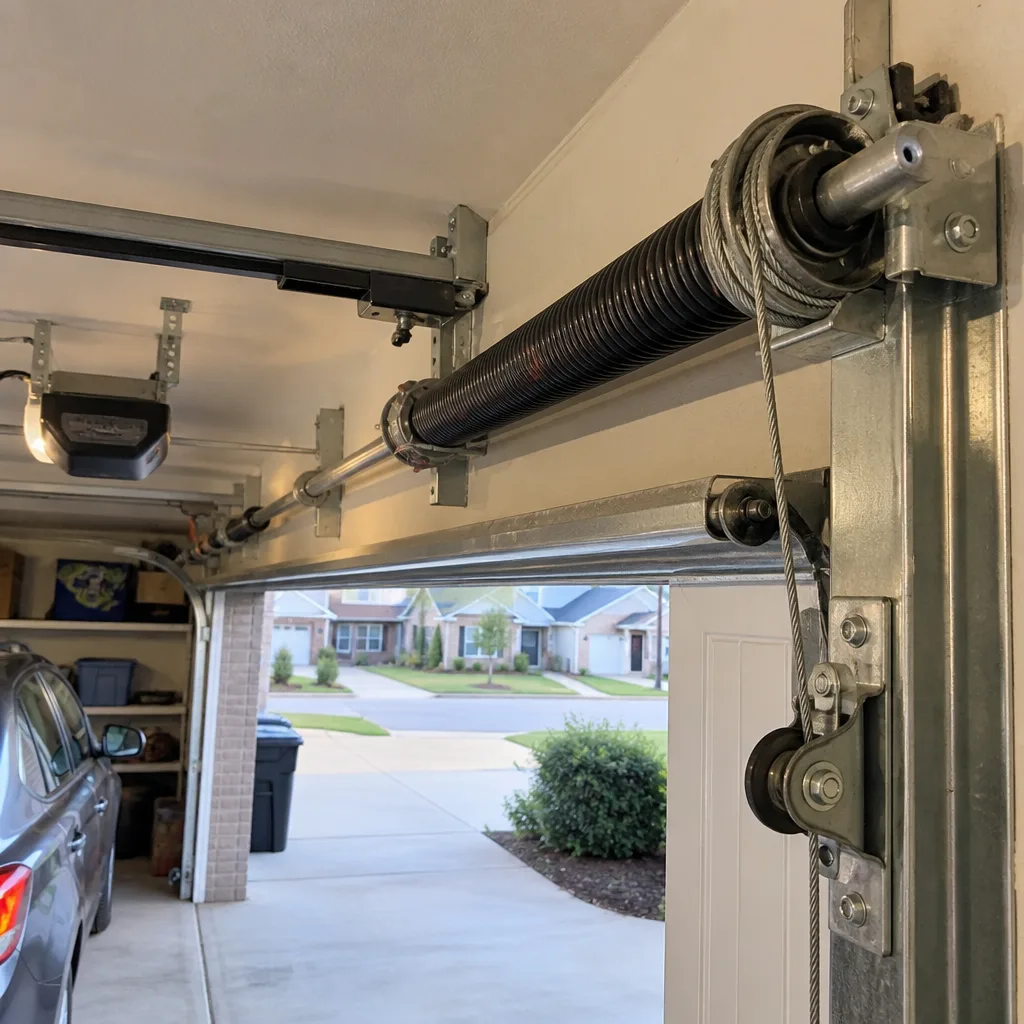 After
AfterGarage Door Permits, Codes & Inspections in TX: What You Need to Know
A garage door replacement without a required permit can void a homeowner’s insurance claim and create a title defect that surfaces at closing. Two consequences most homeowners don’t learn about until it’s expensive to fix. In Fulshear and across Texas, garage door permitting is not handled at the state level. It is pushed down to cities and counties, which means the rules change when you cross a municipal boundary. This guide maps exactly which projects trigger a permit in Fulshear, how the process works, and what paperwork to keep for the life of your home.
Quick Answer
In Texas, garage door permits are issued by local jurisdictions, not the state. In Fulshear, a permit is required for any new garage door installation that alters the opening size, changes the structural header, or replaces a non-wind-rated door with a wind-rated assembly. Routine replacement of an existing door with the same dimensions typically qualifies as repair work and does not require a permit, though the installed door must still meet current wind-load standards for Fort Bend County.
Table of Contents
- When Is a Garage Door Permit Required in Fulshear?
- Fulshear City Limits vs. Unincorporated Fort Bend County
- Wind-Load Ratings: What Texas Code Requires
- The Permit Process Step by Step
- What Happens During Inspection
- How to Verify Your Contractor Pulled a Permit
- The Paper Trail to Keep for Resale
- Permit Costs and Timeline in Fulshear
When Is a Garage Door Permit Required in Fulshear?
Texas adopts the International Residential Code (IRC) as its base standard, but enforcement sits with local building officials. The City of Fulshear follows the 2021 IRC with local amendments, and their interpretation of garage door work falls into two categories: repair and alteration.
Repair work does not require a permit. This includes replacing an existing door with a new unit of the same size, swapping out a broken spring or cable, installing a new opener on an existing door, or replacing damaged panels with matching sections. The work must not disturb the rough opening, the header, or the lateral load path.
Alteration work triggers a permit. This includes:
- Changing the width or height of the garage door opening
- Replacing or modifying the structural header above the door
- Converting a window or walk-through door into a garage door opening
- Installing a garage door in a newly constructed wall or addition
- Replacing a non-wind-rated door with a wind-rated assembly in a designated wind-borne debris region
Here is where Fulshear’s specific geography matters. The city sits in Fort Bend County, which lies within the Texas Gulf Coast wind zone. After Hurricane Ike in 2008 and subsequent code cycles, the area was reassessed for wind-borne debris potential. Homes built before 2010 may have garage doors installed under older, less stringent standards. If you replace that door today with a modern wind-rated unit, the installation itself may qualify as an upgrade to the building envelope, and some building officials interpret this as alteration work requiring permits and inspection.
We have seen this play out in Cross Creek Ranch and Fulbrook, where homeowners replaced aging doors after storm season, only to learn at closing that the buyer’s lender flagged the absence of permit documentation. Review our Garage Door Warning Signs: A Fulshear Homeowner’s Reference Guide to spot issues before they become costly surprises. The fix was expensive: a retroactive permit application, a structural inspection, and in one case, removal and reinstallation of the door so the inspector could verify the attachment method.
The safest approach is to call the Fulshear Building Department before work begins. Describe the existing door, the proposed replacement, and the address. They will tell you whether a permit is required for that specific scope. Their office is reachable through the city’s main line, and staff are generally responsive to homeowner inquiries.
For garage door installation in Fulshear, we handle the permit application as part of our standard process when one is required. The homeowner never has to navigate the counter or interpret code language. We pull the permit, schedule inspections, and close it out. That is part of a square deal.
Fulshear City Limits vs. Unincorporated Fort Bend County
This distinction trips up more homeowners than any other permitting question. Fulshear has grown rapidly since 2010, annexing territory in multiple phases. A street address with a Fulshear mailing label may fall under city jurisdiction, or it may sit in unincorporated Fort Bend County, depending on exactly where the property line lies.
City of Fulshear jurisdiction applies to properties within the corporate limits and the extraterritorial jurisdiction (ETJ) where the city has negotiated development agreements. Building permits for garage door work in these areas are issued by the Fulshear Building Department. Inspections are performed by city staff or their contracted third-party inspector. Fees are set by city ordinance.
Unincorporated Fort Bend County jurisdiction applies to properties outside city limits. Permits are issued by Fort Bend County Building Codes, with offices in Richmond. The county follows the same base IRC but with its own amendment package. Inspection scheduling is handled separately, and fee structures differ.
How to determine which applies to your address:
- Check the Fulshear city limits map on the city’s official website. Enter your address in the GIS parcel lookup.
- Call Fort Bend County Central Appraisal District at their main number and ask whether the property is within any municipal boundary.
- Review your property tax statement. If you pay city taxes to Fulshear, you are almost certainly within city jurisdiction for permitting.
- Ask your contractor before signing. A local professional should know immediately which authority governs your address.
In our experience, neighborhoods like Weston Lakes and parts of Pine Mill Ranch can be ambiguous. We have arrived at jobs where the homeowner assumed county rules applied, only to learn the property had been annexed in a recent phase. The reverse happens too. Guessing wrong means a rejected permit application, wasted fees, and delayed work.
One practical note: unincorporated county areas sometimes have additional requirements for properties in mapped floodplains. The Brazos River watershed affects portions of Fort Bend County, and garage door installations in flood-prone areas may need elevation certificates or additional drainage review. Fulshear’s ETJ has its own floodplain administration, separate from the county’s. This rarely affects a simple door replacement, but it can complicate new construction or significant garage expansion.
If you are uncertain, we verify jurisdiction before quoting. It takes five minutes and prevents weeks of headache. That is how we have operated since Carl Dutton opened our Fulshear operation in 2016, and it is how we still do business today.
Wind-Load Ratings: What Texas Code Requires
Garage doors are the largest opening in most residential walls. When wind pressure builds, they are the weakest point. A failed door pressurizes the garage, lifts the roof structure, and can tear the house apart from the inside. This is not theoretical. Engineers documented it repeatedly in Hurricane Andrew, Katrina, and Ike.
The 2021 IRC, adopted by reference in Fulshear and Fort Bend County, requires garage doors to meet wind-load standards based on the local design wind speed. For this region, that speed is 130 mph for Risk Category II buildings, which covers typical single-family homes. The door must be rated for that speed, or the installation is not code-compliant.
Wind-load rating is not the same as “hurricane rated.” A door may carry a Miami-Dade County approval, which is stringent, but the relevant metric for Fulshear is the pressure rating in pounds per square foot (psf) and the design wind speed in mph. The door label or specification sheet should show both.
What the code requires specifically:
- Doors must be tested to ANSI/DASMA 108 or ASTM E330 for structural performance under wind pressure
- The installed assembly includes the door, track, hardware, and attachment to the structure, not just the door panel
- Wind-borne debris regions require impact-rated doors or protected openings; Fulshear’s classification for this has shifted between code cycles, so current status should be confirmed with the building department
- Manufacturer’s installation instructions must be followed exactly; deviations void the rating
Major brands publish their wind-load ratings openly. A Clopay Canyon Ridge or Amarr Stratford door, properly specified for this region, will carry documentation showing 130 mph compliance. Wayne Dalton’s 8300 and 8500 series have similar ratings when ordered with the correct wind-load package. Genie openers do not affect wind-load compliance directly, but opener reinforcement brackets must not compromise the door’s structural attachment.
Insurance implications are real and immediate. If a storm damages your home and the adjuster discovers a non-compliant garage door, your claim may be reduced or denied. We have spoken with Fulshear homeowners who faced this exact scenario after spring storms. The savings of a few hundred dollars on an unrated door evaporated when the insurer declined a $40,000 structural claim.
When we quote a garage door repair in Fulshear or a full replacement, we specify the wind-load rating in writing. The price is stated upfront. No surprises on the bill. And we keep the manufacturer spec sheets on file, so if you ever need documentation for an insurance review or resale, we have it.
The Permit Process Step by Step
For homeowners who do need a permit, the process in Fulshear is straightforward but not instant. Understanding the steps prevents delays and lets you coordinate with your contractor.
- Prepare the application. The Fulshear Building Department requires a completed residential building permit application, a site plan showing the garage location, and construction documents for the proposed work. For a garage door, this typically means the manufacturer’s installation instructions and a product cut sheet showing dimensions and wind-load rating.
- Submit and pay fees. Applications can be submitted in person at city hall or through the online portal. Fees are based on project valuation. A typical garage door replacement permit runs between $75 and $150 in Fulshear, though the exact amount depends on the door cost and whether electrical work for a new opener is included.
- Plan review. Staff review the application for completeness and code compliance. Simple garage door permits usually clear in 3-5 business days. Complex jobs, or those in floodplains, may take longer.
- Permit issuance. Once approved, the permit is issued and must be posted at the job site before work begins. The permit card includes the inspection schedule and contact information.
- Schedule inspections. For garage door work, typically two inspections are required: a rough inspection if structural modifications were made, and a final inspection after installation is complete. Some simple replacements may only need a final.
- Pass inspection and close out. The inspector signs off, the permit is finaled, and the homeowner receives a certificate of completion. This document is what you keep for your records and future resale.
Fort Bend County’s process is similar but uses different forms and scheduling systems. Their turnaround times are generally comparable, though county staff cover a larger geographic area and may have less flexibility on inspection timing.
One detail competitors rarely mention: if your contractor starts work before the permit is issued, the building official can issue a stop-work order. The job halts until the permit is retroactively obtained, often with penalties. We have seen this happen in Fulshear’s newer subdivisions where code enforcement is active. A reputable contractor will never begin permit-required work without the permit in hand. If yours suggests otherwise, that is a warning sign. See How to Hire a Garage Door Contractor in Fulshear: A Step-by-Step Guide for vetting tips.
What Happens During Inspection
Homeowners often worry about inspection day. In practice, garage door inspections are brief and focused. The inspector is verifying that the installed assembly matches the permitted documents and meets safety standards.
For a final inspection, the inspector typically checks:
- Door size matches the permit application
- Wind-load label is present and legible on the door section or track
- Track attachment to jambs and header follows manufacturer’s specifications, with correct fastener type and spacing
- Spring system is properly anchored and balanced
- Opener installation, if included, has functioning safety reversal and photo-eye alignment
- Weatherstripping and seals are in place
- No hazardous conditions, such as exposed wiring or missing guards
The inspector does not test cosmetic finish or noise level. They are not evaluating whether you like the door color. Their job is to confirm the installation will perform as designed under load and will not create a safety hazard.
If the installation fails inspection, the inspector issues a correction notice with specific deficiencies. The contractor corrects them and calls for re-inspection. In Fulshear, re-inspection fees apply after the first failed attempt, which gives contractors incentive to get it right the first time.
We prepare for inspection before we arrive. Our technicians carry the permit card, the manufacturer’s instructions, and a checklist derived from common failure points. Most of our inspections pass on the first visit. When one does not, we return the same day or next, at no charge to the homeowner. That is the 90-Day Done Right Promise in action, extended to the permit process itself.
How to Verify Your Contractor Pulled a Permit
Homeowners have more tools than they realize. Do not take a contractor’s word that a permit was pulled. Verify it yourself in five minutes.
For Fulshear city permits:
- Visit the Fulshear city website and navigate to the Building Department section.
- Look for “Permit Search” or “Active Permits.” Most Texas cities now host this database online.
- Enter your address. Active and recently closed permits will appear with the contractor’s name, permit type, issue date, and inspection status.
- Call the Building Department directly if the online system is unclear. Staff can confirm permit status over the phone.
For Fort Bend County permits:
- Visit the Fort Bend County Building Codes website and use their permit lookup tool.
- Search by address or permit number if your contractor provided one.
- County records sometimes lag by a few days, so a very recent pull may not appear immediately.
Red flags that a contractor has not pulled a required permit:
- They ask you to pull the permit as “owner-builder.” This transfers liability to you and may violate their insurance requirements.
- They suggest work can start “tomorrow” on a permit-required job. Proper permitting takes a few days minimum.
- The quote is significantly lower than competitors. Unpermitted work avoids fees and inspection time, but the savings are temporary and the risks are permanent.
- They cannot provide a permit number when asked directly.
At Mainspring, we provide the permit number before work begins. We encourage homeowners to verify it. There is nothing to hide when the work is done right.
The Paper Trail to Keep for Resale
A permitted and inspected garage door installation generates documents that matter for decades. Keep them with your permanent home records, not in a drawer you will forget.
Essential documents:
- Permit application copy, showing scope of work and contractor information
- Certificate of completion or final inspection approval, proving the work passed
- Manufacturer’s product specification sheet, showing model number, dimensions, and wind-load rating
- Warranty documents from the manufacturer and the installer
- Invoice and payment receipt, dated and itemized
Why this matters for resale:
Title companies in Texas increasingly run permit history as part of their due diligence. A garage door replacement without matching permit records creates a cloud on title. The seller must either produce documentation, obtain a retroactive permit, or accept a price reduction. In Fulshear’s competitive market, where homes in Cross Creek Ranch and Fulbrook often sell within weeks, any delay can cost a buyer.
Lenders may also require permit verification for appraisal purposes. FHA and VA loans have specific property standards, and an unpermitted structural modification, even a garage door, can trigger additional review.
We provide every Fulshear customer with a complete document packet at job completion. It includes our 90-Day Done Right Promise in writing, the permit close-out, manufacturer specs, and our itemized invoice. Most homeowners file it with their insurance papers and forget about it until they need it. That is exactly the point.
Permit Costs and Timeline in Fulshear
Permit fees are not a major cost driver for garage door work, but they are predictable and should be built into any honest quote.
| Project Type | Fulshear Permit Fee Range | Fort Bend County Fee Range | Typical Timeline |
|---|---|---|---|
| Same-size door replacement (repair classification) | No permit required | No permit required | 1 day |
| Door replacement with wind-load upgrade | $75 - $125 | $80 - $140 | 3-7 days including inspection |
| Opening size change or new construction | $125 - $200 | $140 - $250 | 5-10 days |
| Door + opener + electrical | $150 - $250 | $160 - $280 | 5-10 days |
These ranges reflect 2024-2025 fee schedules and are subject to change. Fulshear’s city council reviews building fees annually. The county adjusts less frequently but does not always publish changes prominently.
Timeline includes plan review, permit issuance, installation, and inspection scheduling. Weather can delay exterior work in Fulshear during hurricane season or extended rain periods. We build realistic schedules and communicate if conditions force a shift.
One cost not shown in the table: the price of not permitting. Retroactive permits, when required, often carry penalties of 100-200% of the original fee. Re-inspection of covered work may require partial disassembly. The total can exceed $500 quickly, with no value added to the homeowner.
For garage door opener service in Fulshear, permitting is rarely required unless new electrical circuits are run. We will tell you upfront if your scope crosses that line.
Common Mistakes to Avoid
- Assuming all garage door work is “just maintenance.” In Fulshear, upgrading from a non-wind-rated door to a rated assembly can trigger permit requirements. The building official’s interpretation controls, not the homeowner’s intent.
- Trusting a mailing address to determine jurisdiction. Fulshear ZIP codes extend into unincorporated county. Verify with the GIS map or a direct call before applying for permits or hiring based on assumed rules.
- Letting the contractor pull a permit in their name without verifying it. Unscrupulous operators have been known to present fake permit cards or promise permits that never materialize. Check the online database.
- Discarding paperwork after the job “feels done.” The permit close-out and inspection sign-off are legal documents. Keep them with your deed and insurance records for the life of your ownership.
- Choosing a door based on price alone without checking wind-load documentation. Discount doors from secondary suppliers may lack proper labeling. If the inspector cannot verify the rating, the installation fails.
- Starting work before permit issuance to “save time.” Stop-work orders in Fulshear are enforceable and can delay your project by weeks. The few days of proper permitting are always faster than the remediation path.
- Failing to confirm whether your neighborhood has additional HOA requirements. Cross Creek Ranch, Fulbrook, and other Fulshear communities often have architectural review boards with their own door style and color restrictions. HOA approval is separate from city permitting but equally binding.
When to Call a Professional
Permit research, application, and inspection coordination are not glamorous work, but they are essential to a lawful, insurable, and sellable installation. Most Fulshear homeowners have better uses for their time than studying IRC amendments and waiting at permit counters. Browse our more guides & resources to stay informed without the legwork.
Call a professional when your project involves any structural modification, when you are uncertain about jurisdiction, when your home was built before 2010 and may have pre-code garage doors, or when you simply want the assurance that every detail is handled correctly and documented for future reference.
Mainspring Garage Door Co. offers free estimates in Fulshear. We verify jurisdiction, determine permit requirements, pull permits when needed, and close them out with proper documentation. Call (409) 794-4141 to schedule. A live person answers, 24/7, including nights, weekends, and holidays.
Frequently Asked Questions
Not if it is a same-size replacement of an existing door. If you are changing the opening dimensions, modifying the header, or upgrading to a wind-rated assembly in certain zones, a permit is required. The Fulshear Building Department can confirm for your specific address and scope.
Check the Fulshear GIS parcel map on the city website, call the Fort Bend Central Appraisal District, or review your property tax statement for city tax charges. Your contractor should also be able to identify jurisdiction immediately from your address.
Single-family homes in this region must meet a 130 mph design wind speed under the 2021 IRC. The door label or specification sheet must show compliance with ANSI/DASMA 108 or equivalent testing. We verify this on every door we install.
Search the Fulshear Building Department’s online permit database by your address, or call Fort Bend County Building Codes directly. Active and closed permits are public record. We provide our permit numbers to every customer before work begins.
The title company may flag the absence of permit records. You may need to obtain a retroactive permit, provide documentation of code compliance, or accept a price adjustment. Keeping permit close-out documents prevents this entirely.
Yes. When a permit is required for your project, we prepare the application, submit it, schedule inspections, and provide you with the final documentation. It is included in our standard process at no additional markup beyond the city or county fee.
The Bottom Line
Garage door permitting in Texas is local, specific, and consequential. Fulshear’s rules differ from Fort Bend County’s, wind-load requirements are non-negotiable for insurance coverage, and the paperwork you keep today protects your sale tomorrow. The cost of proper permitting is modest. The cost of skipping it can be catastrophic. Work with a contractor who knows the difference, handles the details, and stands behind the work in writing. That is how we have operated since 1984, and it is how we still do business in Fulshear today.
Written by Carl Dutton, Owner at Mainspring Garage Door Co., serving Fulshear since 2016.